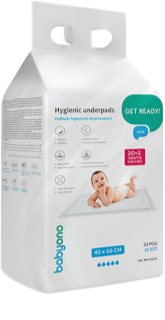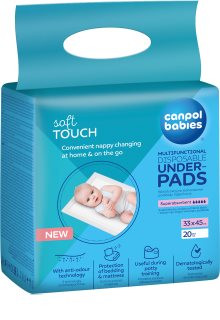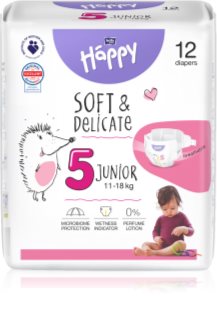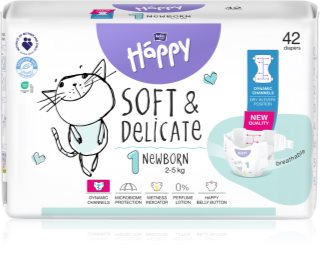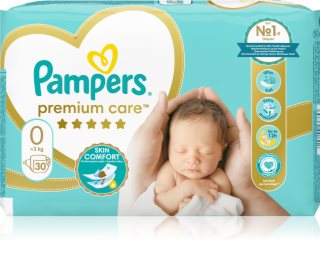


Whether you’re just getting to grips with your new role or you’re an experienced parent, you’re probably dealing with similar concerns. Such as nappy changing.
Once you know how to change the baby, other questions start to arise. How often should I change a newborn, what kind of wipes and creams should I use and which nappies should I pick? We’ll advise you and give you some tips on this.
Nappies everywhere you look
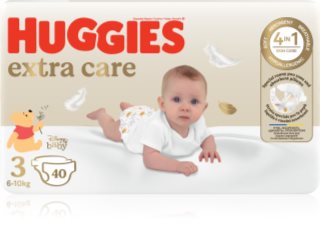
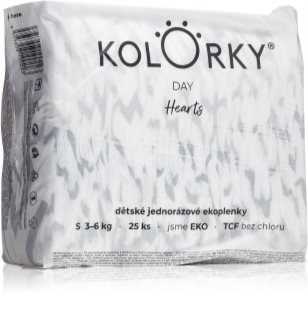
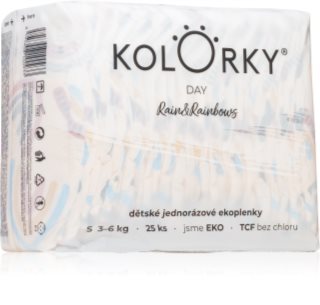
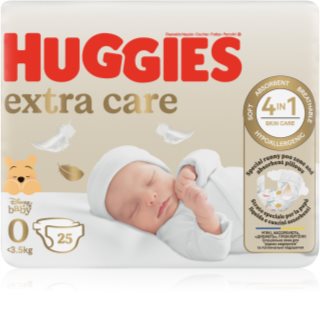
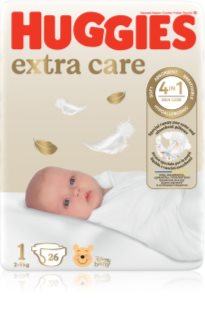
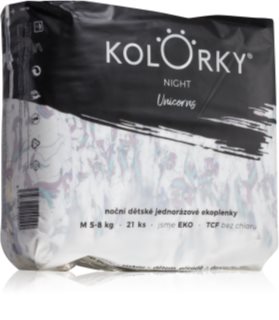
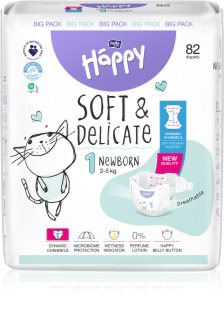
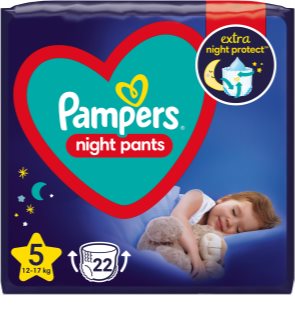
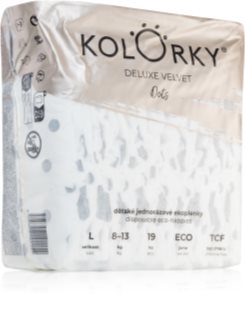
Unless you are a pioneer of the nappy-free method, you’ll probably start weighing up all the nappy options before your baby is born. Are you more of a practical type who prefers the benefits of disposable nappies, or is the environmental aspect more important to you, making cloth nappies the obvious choice? If you find yourself somewhere in between and can’t decide, you can use a combination of both, depending on your needs and situation, or you could try disposable eco nappies. They are made of bamboo, so they respect nature, yet retain the advantage of convenient and easy baby changing without needing washing and maintenance.
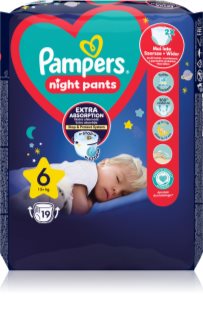
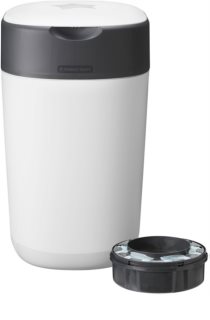
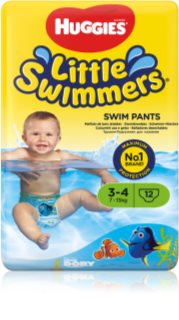
Change the baby as often as needed – every 3 to 4 hours on average. Once your baby has grown and started to walk, changing nappies lying down becomes more difficult, which is why so many parents eventually switch to nappy pants that you can easily put on your baby even when they’re standing up. After changing your baby, wrap the used nappy in a nappy bag or dispose of it in a special bin that keeps the odours inside.
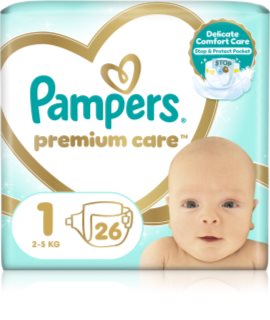
How do I decide which nappies to choose?
- Size: the right size is important for both the functionality of the nappy and the baby’s comfort. Be guided by the weight of your baby.
- Comfort: not only should the nappy fit their bottom well, the material used should not cause nappy rash. Try out a range of brands and types and find the ones that suit you and your baby best.
- Absorption rate: affects how often you’ll need to change your baby. Disposable nappies clearly have the upper hand here, as their absorbency is much higher than with cloth nappies.
- Environmental burden: did you know that a disposable nappy takes up to 250 years to decompose? If you care about nature, try cloth or eco nappies, which are less of a burden on the planet.

Wet wipes are an essential helper
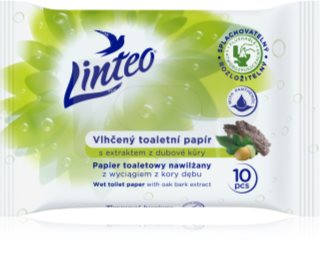
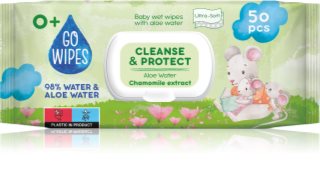
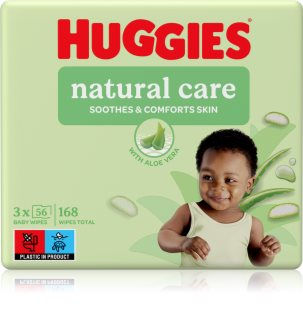
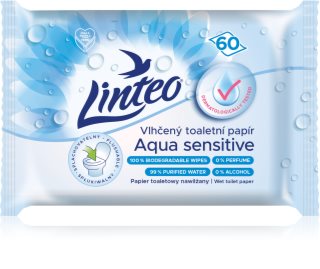
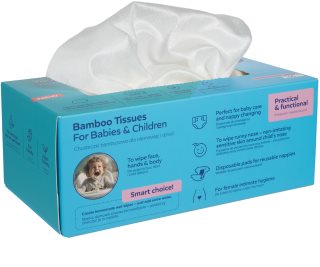
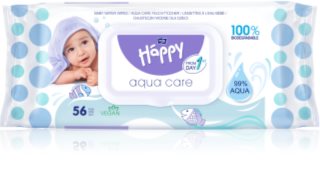
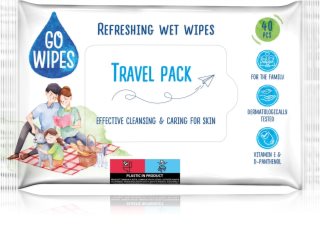
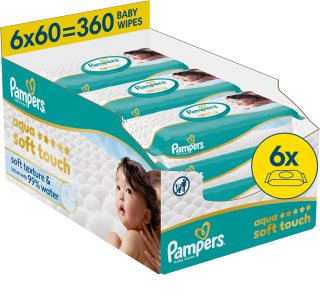
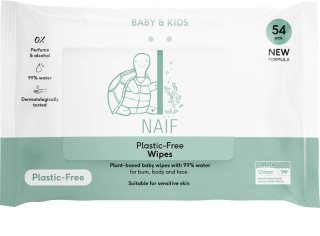
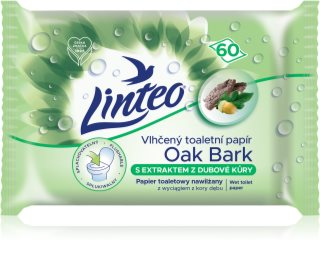
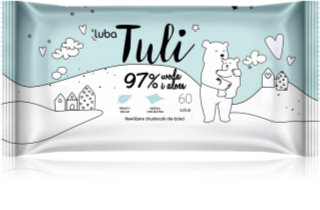
Even if you decide to use only washable cotton wipes and clean water at home, you probably can’t avoid buying disposable wet wipes anyway. For example, if you go on a trip where running water is not available. In that case, you can stock up on wipes with a water content of up to 99.9%.
If you prefer natural ingredients and don’t want to use chlorine-bleached wipes, you can opt for natural ones made from eucalyptus fibres. They are also 100% degradable, so they’re kind not just to a baby’s skin but also to nature.
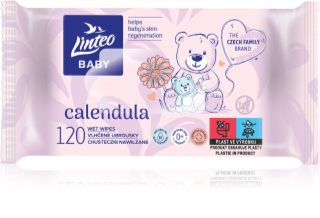
Wet wipes with aloe vera, calendula, oak bark or almond oil cleanse and care for your baby’s bottom at the same time.
Skincare
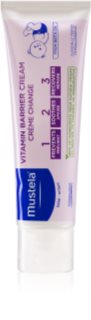
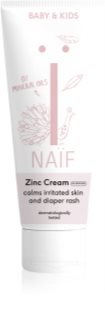
After changing, we always recommend using a nappy rash cream, to prevent skin irritation. If nappy rash still occurs, always have some zinc ointment to hand. It soothes and cools red areas, and you can also use it on eczema on the body.
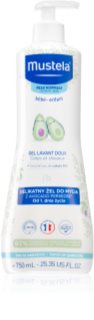
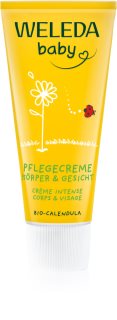
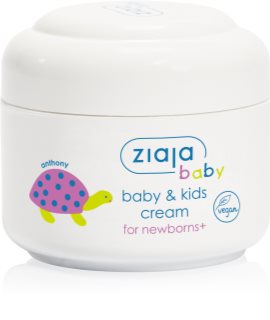
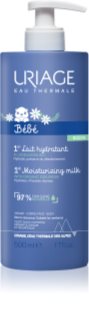
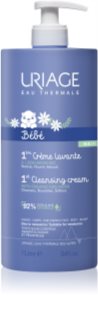
Compared to adult skin, children's skin is far thinner, softer and less protected. This makes it important to strengthen the protective skin barrier and take care of it. Your kit should also include a wash oil or a soap-free wash cream gel, moisturising cream for babies or a massage body oil. You can use it, for example, during your evening routine – a relaxing massage of your baby’s tummy and body.
Check out all the nurturing products
we stock to pamper your baby to the max!