


Dandruff, greasy hair, grey hair or hair that appears to be thinning quicker than expected. Out with it, gents, who hasn’t experienced a similar issue in their life? We’ll give you advice on how to care for your hair and scalp in order to keep your hair thick for as long as possible, and to eliminate any worries about an itchy scalp ruining important meetings.
What’s really causing your hair issues? The culprits are usually:
- internal factors (genetics, hormonal changes, stress, medication)
- external factors (lifestyle, shampoos with irritating ingredients, styling products, bad hair washing and drying habits)
And it’s by adjusting these external factors that you can help give your scalp some relief while preventing a receding hairline.
A dry scalp and endless itchiness
It’s a given that a dry and irritated scalp isn’t visible at first sight, but it can definitely be uncomfortable, potentially leading to further issues. Constant scratching irritates the skin and can further exacerbate the issue and cause hair loss, or even increased sebum production.
Why exactly is your scalp itchy? As soon as it loses its natural moisture, it cannot defend itself against harmful substances and allergies. This can lead to micro-inflammation of the scalp, predisposing it to dandruff and the previously mentioned issue of hair loss. That’s why you have to take the right care of your hair, keeping your scalp clean and moisturised.
Forget the myth that frequent washing is bad for your hair. Quite the contrary. By washing your hair correctly, you are giving your scalp a beneficial massage, promoting its oxygenation and increasing microcirculation. This promotes healthy and natural hair growth. Pick shampoos that are formulated for a sensitive and itchy scalp. This is because they contain soothing and moisturising ingredients.
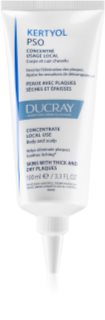
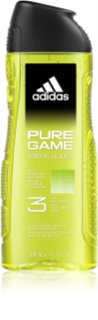
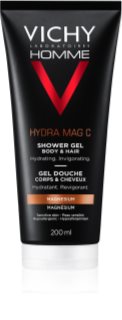

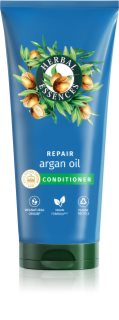

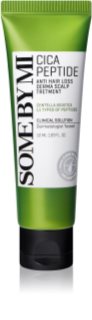
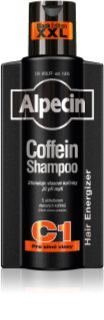
Dandruff or seborrhoeic dermatitis?
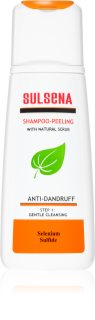
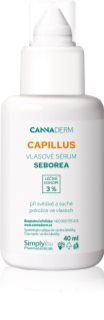
Dandruff and seborrhoeic dermatitis are closely linked to a dry scalp. How can you tell them apart? Dandruff looks like small, white, dry flakes, which are caused by an excessively flaky scalp and are often visible on the shoulders. On the other hand, seborrhoeic dermatitis is characterised by greasy yellow flakes, which can become entire patches stuck to the scalp. The main cause of seborrhoeic dermatitis is yeast overgrowth. So both a dry and an oily scalp can be a risk factor.
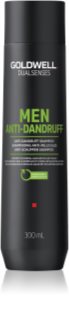
If you’ve been downplaying and avoiding your issue with dandruff, it’s about time to start facing it. In most cases without complications, using suitable hair products will help. Wash your hair frequently enough (at least 2–3 times a week) and leave your shampoo on for 3–5 minutes. When choosing the right shampoo for you, make sure to pay attention to whether it’s formulated for dry or greasy dandruff. Squeeze any excess water gently out of your hair. And you should also forget about wearing tight hats or caps, which can only make issues with dandruff worse.
Our tip! If you feel as though your condition isn’t improving even after a longer while, book an appointment with a trichologist, who will examine your scalp and recommend the right treatment.
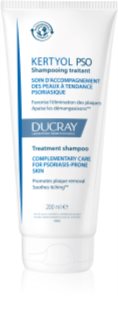
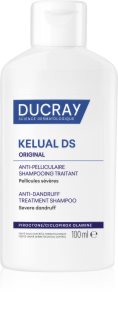




Oily hair
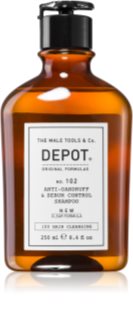
Does your hair lose its freshness and become heavy and oily the day after you wash it? Then you’re dealing with excessive sebum production. Sebum is very important for the scalp – it has antibacterial properties and keeps your hair healthy. Too much sebum, however, causes oily skin, acne and greasy hair. Hormones and genetics are most often to blame, but other causes also include touching your hair frequently, using inappropriate products or, paradoxically, an excessively dry scalp.
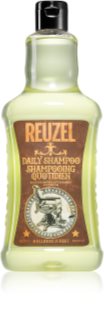
What can we do about it? Wash your hair as often as you need to. Every day, if necessary. Washing your hair frequently definitely doesn’t make the issue worse; you just have to choose the right shampoo. Rule number two: Never wash your hair with hot water – this activates the sebaceous glands, and that’s what you want to avoid. If you’re brave enough, finish off your time in the shower with some really cold water. That will kick-start your immune system and your scalp will thank you. The cold water will tighten your pores and make your hair less greasy.


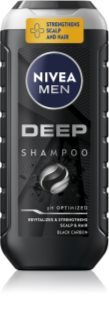
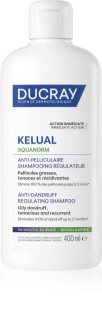
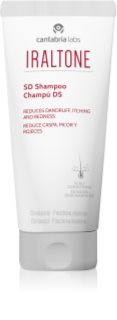
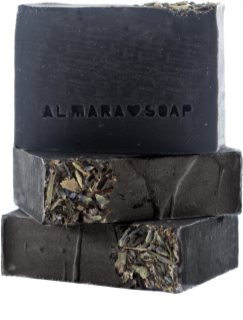
Excessive hair loss or a receding hairline
If someone in your family has a haircut like Vin Diesel, there’s a good chance your hairline will start going in the same direction. Even though men who rock this hairstyle are usually successful with women, it’s a frustrating realisation for most of them. The most common cause of hair loss in men is androgenic alopecia and it reportedly affects up to 95% of those who experience excessive hair loss. It’s a hereditary condition which causes the hair follicles to be sensitive to male sex hormones. The more testosterone you have, the more hair you lose.
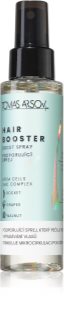
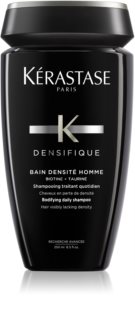
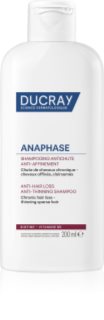
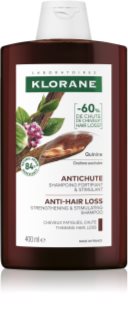
The first signs include a receding hairline or thinning on the top of your head. But this process can be slowed down or stopped. Start using the right shampoos and hair serums that take care of the hair follicle and scalp while also nourishing your hair. After about 3 months of use, your hair should be strong enough for you to be able to see new growth. Start addressing the issue early enough, to make sure your hair follicles haven’t fully shut down. Once the follicles are destroyed, no product or treatment can restore them. Giving your scalp a regular massage while washing your hair also promotes blood circulation, which helps reduce the intensity of hair loss.
Our tip! Don’t forget that even things like frequently wearing hats or seasonal changes can make you more prone to hair loss. .
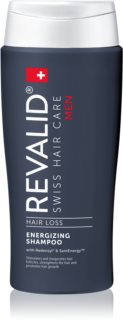
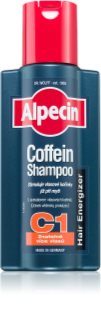
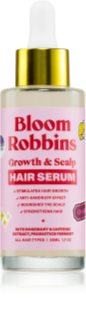
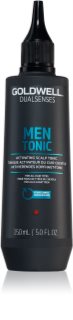
Check out other cosmetic products for men